Archives
- 2026-09
- 2026-08
- 2026-07
- 2026-06
- 2026-05
- 2026-04
- 2026-03
- 2026-02
- 2026-01
- 2025-12
- 2025-11
- 2025-10
- 2025-09
- 2025-03
- 2025-02
- 2025-01
- 2024-12
- 2024-11
- 2024-10
- 2024-09
- 2024-08
- 2024-07
- 2024-06
- 2024-05
- 2024-04
- 2024-03
- 2024-02
- 2024-01
- 2023-12
- 2023-11
- 2023-10
- 2023-09
- 2023-08
- 2023-07
- 2023-06
- 2023-05
- 2023-04
- 2023-03
- 2023-02
- 2023-01
- 2022-12
- 2022-11
- 2022-10
- 2022-09
- 2022-08
- 2022-07
- 2022-06
- 2022-05
- 2022-04
- 2022-03
- 2022-02
- 2022-01
-
Our understanding of the genetic basis of myeloid
2022-08-03

Our understanding of the genetic basis of myeloid malignancies has been profoundly improved in recent years. Studies have revealed new recurrent somatic mutations in myeloid malignancies, including myeloproliferative neoplasms (MPNs), myelodysplastic syndrome (MDS) and acute myeloid leukaemia (AML).
-
Evidence indicates that astrocytes play a role in
2022-08-03
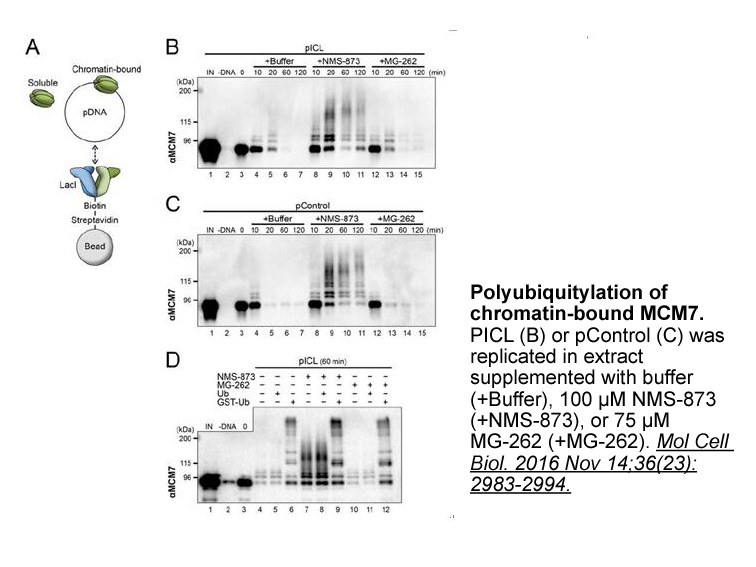
Evidence indicates that astrocytes play a role in the modulation of NMDAR activity in the CA1 (Henneberger et al., 2010; Papouin et al., 2017a, Papouin et al., 2017b; Robin et al., 2018). Therefore, we sought to examine whether astrocytes are involved in the H1 receptor antagonist/inverse agonist-in
-
Studies of early cell fate
2022-08-03
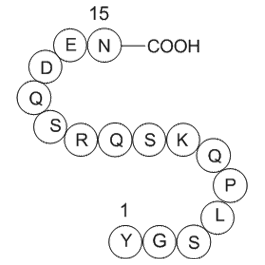
Studies of early cell fate specification in the mouse embryo have identified a role for differential Motin localization in controlling Hippo signaling [88]. At the 32-cell stage, mouse blastomeres are subdivided into inner cells, which form the inner cell mass (ICM), and outer cells, which form the
-
br Resistance to targeted therapy The idea of treating HER
2022-08-03
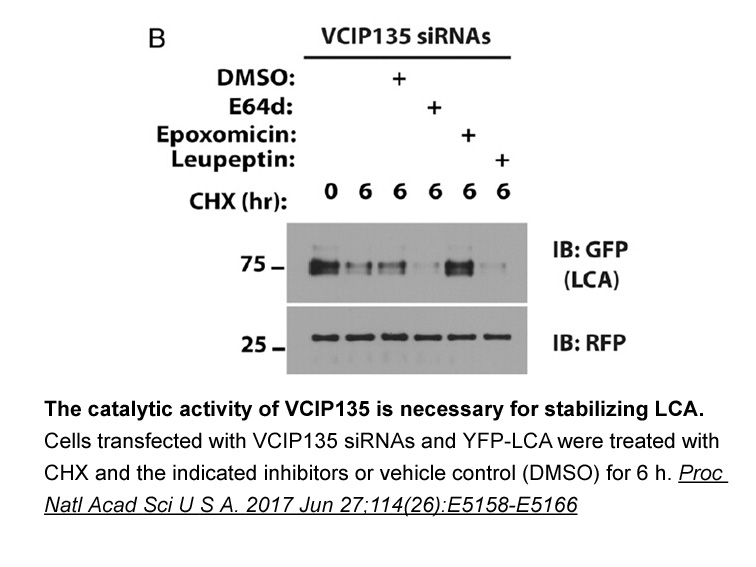
Resistance to targeted therapy The idea of treating HER2 mutant tumors with specific therapies is relatively new and, as a consequence, little is known about the potential mechanisms of resistance to anti-HER2 agents in this setting. Primary resistance may be mediated by the presence of on-target
-
We report herein an electrochemical analysis of the interact
2022-08-03
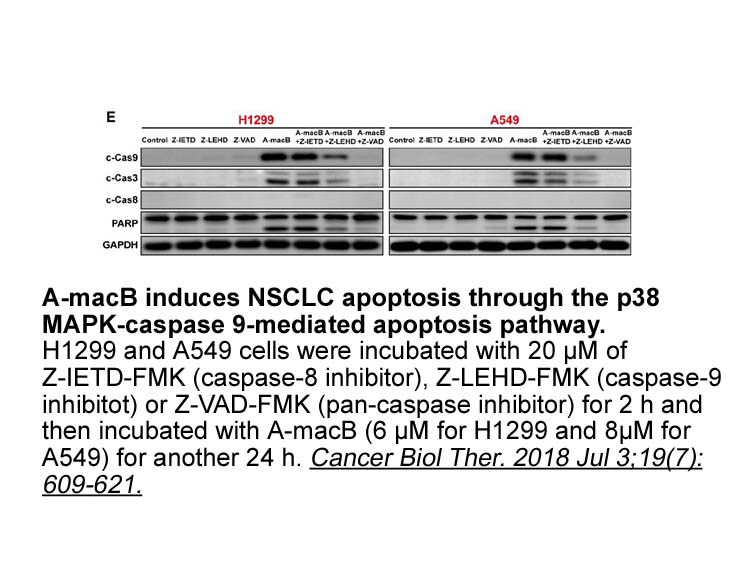
We report herein an electrochemical analysis of the interaction between L1 and sGC, where conventional solution phase voltammetry is combined with a novel technique, the voltammetry of microparticles (VMP), in order to obtain mechanistic information on the deactivation of sGC by L1. The VMP is a sol
-
br S NO signalling during the plant
2022-08-02
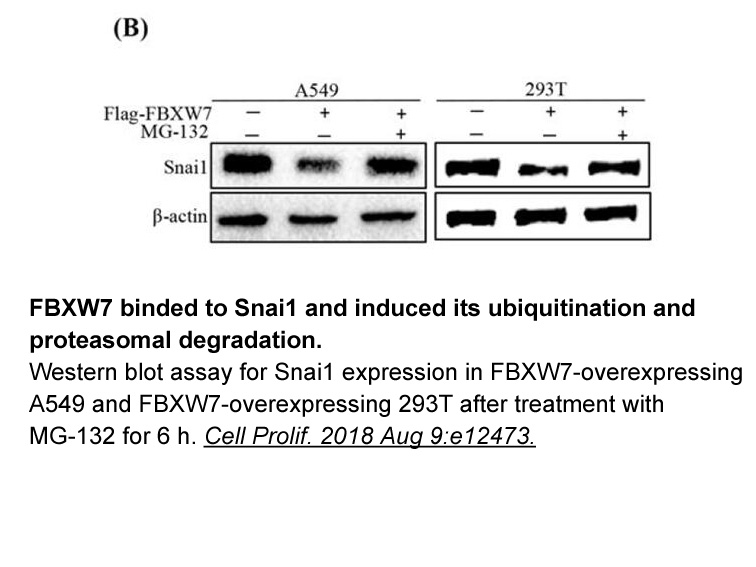
(S)NO signalling during the plant immune response Redox signalling molecules must exhibit specificity for their target substrate. Moreover, a given redox-based modification must be reversible to ensure transient signalling. Oxidative cysteine (Cys) modifications are integral to a variety of redox
-
br Introduction Activation of the lipid sensing receptor
2022-08-02
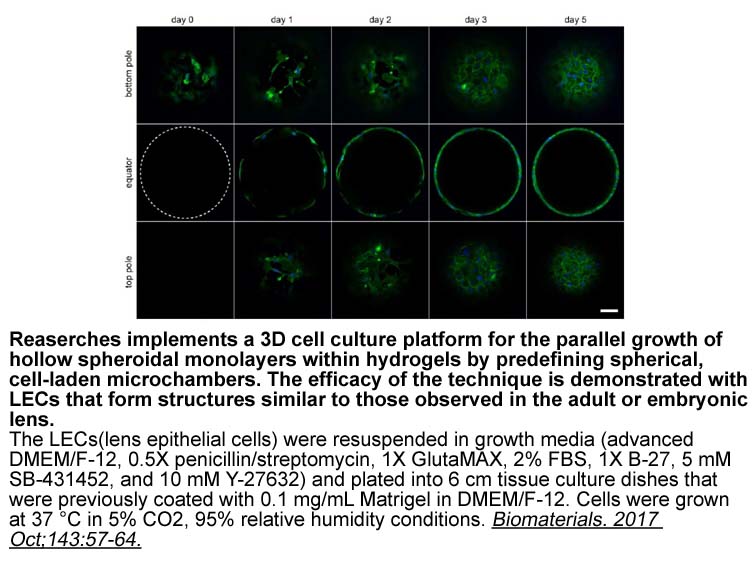
Introduction Activation of the lipid sensing receptor, GPR55, by lysophosphatidyl inositol (LPI) has been well documented, and implicated in endocannabinoid signaling [1]. Intracellular events resulting from GPR55 activation include; enhanced β-arrestin activity, calcium mobilization and ERK1/2 p
-
Trypanosomatid GLO enzymes are monomeric and contain a
2022-08-02
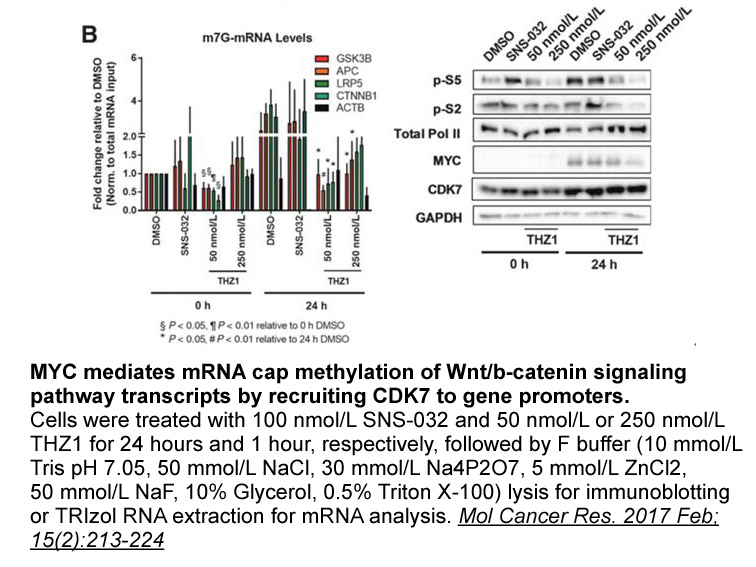
Trypanosomatid GLO2 enzymes are monomeric and contain a zinc–iron binuclear metal center (Irsch and Krauth-Siegel, 2004, Silva et al., 2008), similar to all other glyoxalases II. As mentioned, in T. brucei there are two GLO2 genes but only one encodes an enzyme with glyoxalase II activity (Irsch and
-
br Materials and methods br Results br Discussion
2022-08-02
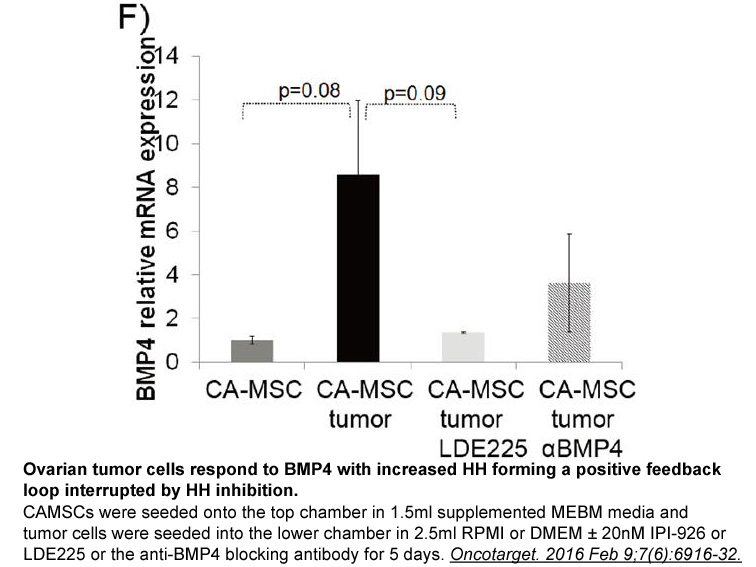
Materials and methods Results Discussion In this study, the supF forward mutation assay showed that 5OHU induced mutations in human cells and that a C→T mutation was the predominant mutation among 5OHU-induced mutations. In addition, the DNA cleavage activity assay revealed that 5OHU was ex
-
Experiments conducted on the human parasite Leishmania major
2022-08-02
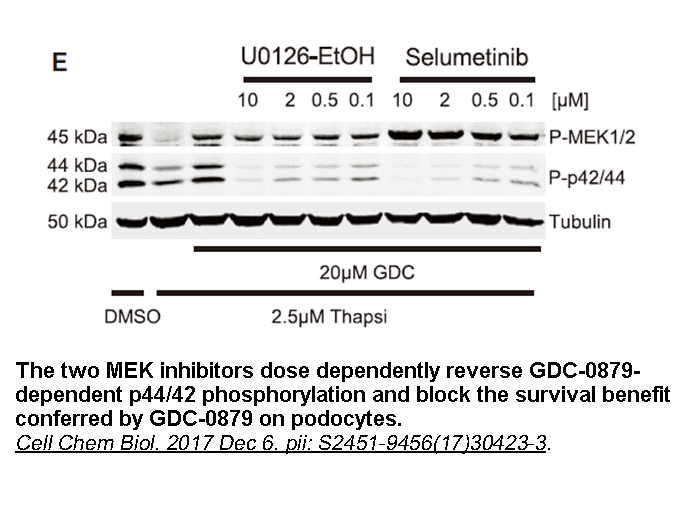
Experiments conducted on the human parasite Leishmania major has shown that specific parasitic antigens are involved in steering the immune responses to “protective” as opposed to “disease” state (Reiner et al., 1993; Reiner and Locksley, 1995; and Sjölander et al., 1998) and that antigenic composit
-
Our overall goal is to develop selective compounds for
2022-08-02
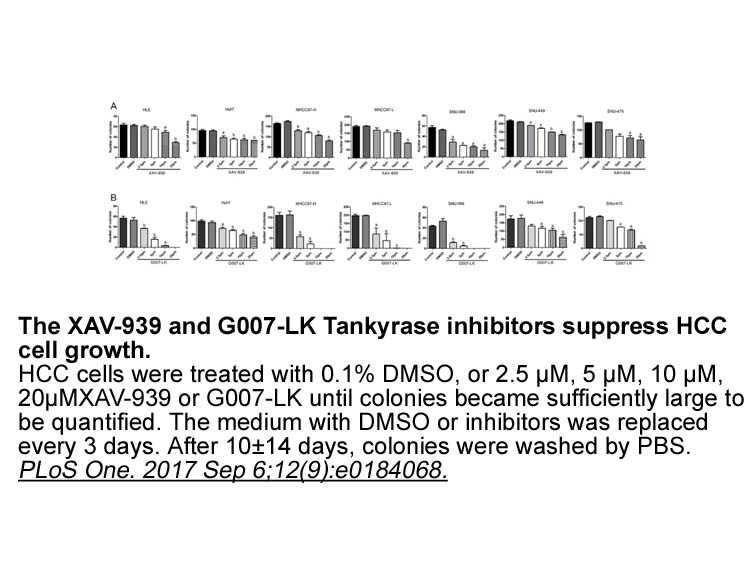
Our overall goal is to develop selective compounds for low-affinity/high-capacity transporters inhibitors (i.e. OCT1–3 and PMAT), and provide the field with much needed, specific pharmacological tools to study these transporters. In our initial efforts, we synthesized halogen substituted analogs and
-
br Acknowledgments The authors would
2022-08-02
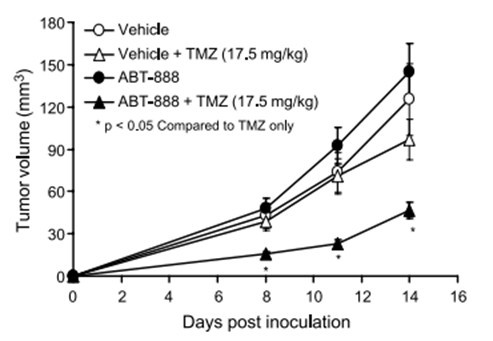
Acknowledgments The authors would like to thank principal investigator Edward John Pratt, MD (Lilly-NUS Centre for Clinical Pharmacology, Singapore) and study investigator Martha Hernandez-Illas MD (QPS-MRA) along with site staff, and trial participants and their families. We thank Zvonko Milicev
-
The gene structures of cGalR
2022-08-02

The gene structures of cGalR2 and cGalR2-L were determined by in silico comparison with the chicken genomic DNA sequences retrieved from the Ensembl database. Both cGalR2 and cGalR2-L genes are composed of two coding exons, separated by single introns of 0.9kb (cGalR2) or 3kb (cGalR2-L) locating wit
-
integrin inhibitor In conclusion our results show that multi
2022-08-02

In conclusion, our results show that multiple receptor populations can be expressed when α4, β3 and δ mRNAs are injected into Xenopus oocytes and include β3 homomeric; α4β3; and β3δ receptors. The previously unidentified β3δ can be differentiated pharmacologically from either β3, α4β3 and α4β3δ rece
-
In Gallus gallus four FGFRs FGFR have been identified along
2022-08-02

In Gallus gallus, four FGFRs (FGFR1-4) have been identified, along with 13 FGFs (FGF1–4, 8–10, 12, 13, 16, 18–20) (Thisse and Thisse, 2005). FGFRs are tyrosine kinase receptors that contain an extracellular ligand binding domain, a transmembrane domain and an intracellular tyrosine kinase domain. Th
8592 records 452/573 page Previous Next First page 上5页 451452453454455 下5页 Last page