Archives
- 2026-07
- 2026-06
- 2026-05
- 2026-04
- 2026-03
- 2026-02
- 2026-01
- 2025-12
- 2025-11
- 2025-10
- 2025-09
- 2025-03
- 2025-02
- 2025-01
- 2024-12
- 2024-11
- 2024-10
- 2024-09
- 2024-08
- 2024-07
- 2024-06
- 2024-05
- 2024-04
- 2024-03
- 2024-02
- 2024-01
- 2023-12
- 2023-11
- 2023-10
- 2023-09
- 2023-08
- 2023-07
- 2023-06
- 2023-05
- 2023-04
- 2023-03
- 2023-02
- 2023-01
- 2022-12
- 2022-11
- 2022-10
- 2022-09
- 2022-08
- 2022-07
- 2022-06
- 2022-05
- 2022-04
- 2022-03
- 2022-02
- 2022-01
- 2021-12
- 2021-11
- 2021-10
- 2021-09
- 2021-08
- 2021-07
- 2021-06
- 2021-05
- 2021-04
- 2021-03
- 2021-02
- 2021-01
- 2020-12
- 2020-11
- 2020-10
- 2020-09
- 2020-08
- 2020-07
- 2020-06
- 2020-05
- 2020-04
- 2020-03
- 2020-02
- 2020-01
- 2019-12
- 2019-11
- 2019-10
- 2019-09
- 2019-08
- 2019-07
- 2019-06
- 2019-05
- 2019-04
- 2018-07
-
br STAR Methods br Acknowledgments We are grateful to
2019-11-28
STAR★Methods Acknowledgments We are grateful to Amaia Lujambio, James Fagin, and Ramon Parsons for providing cell lines and Evripidis Gavathiotis for critical reading of the manuscript. We would like to thank Saboor Hekmaty for providing expertise with RNA-seq analysis. P.I.P. would like to ac
-
The acid base properties of
2019-11-28
3. The acid-base properties of the IL are important issues to consider because protonation changes caused by Brønsted-acidic or basic ions may result in enzyme deactivation [29]. Thereby, the acid-base properties of the newly designed IL need proper control for enzymes by selection of appropriate ca
-
The dihydroxynaphthalene derived substrates a a and a Table
2019-11-28
The 2,3-dihydroxynaphthalene-derived substrates 18a, 20a and 22a (Table 2) allowed only moderate growth of all members of the panel of microorganisms suggesting that these substrates were inhibitory to some extent. Strong growth of the Gram-negative microorganisms and moderate growth of the Gram-pos
-
Since the number of peptides hydrolized by
2019-11-28
Since the number of peptides hydrolized by PEP is quite large, it is not easy to relate the increase of enzymatic activity with the altered changes of a concrete peptide. However, it is noticeable that imbalances of several natural substrates of PEP [6], such as angiotensins, bradykinin, vasopressin
-
Interestingly our analyses of human
2019-11-28
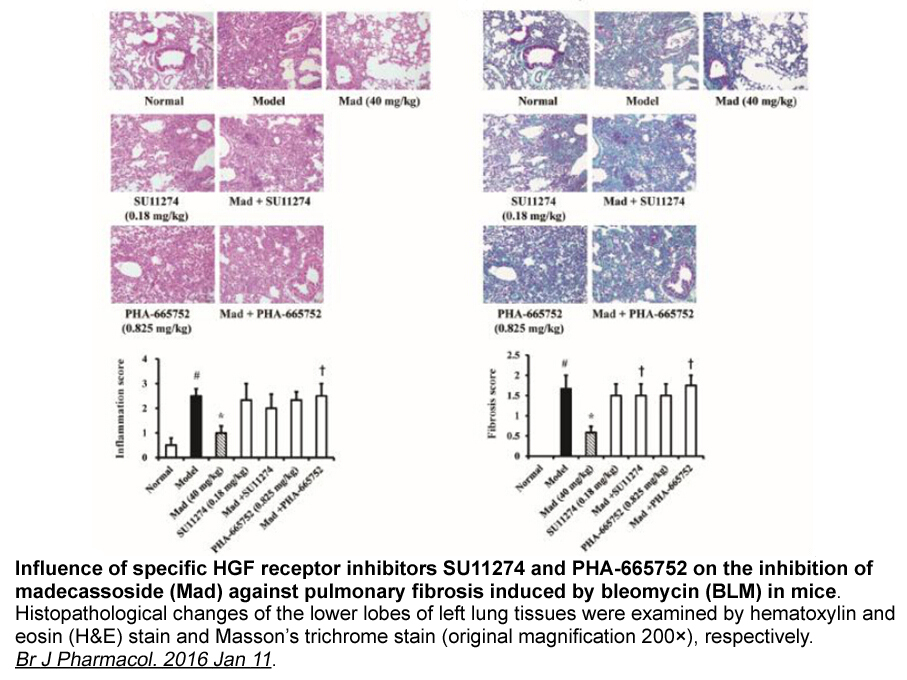
Interestingly, our analyses of human PBMCs using a monoclonal antibody against EBI2 showed that the expression pattern of human EBI2 is largely overlapping with that in mice. Especially Th17 (+)-Apogossypol mg showed homogeneous high expression of EBI2 compared with Th1 cells, which contained a fra
-
In general cellular senescence is considered
2019-11-28
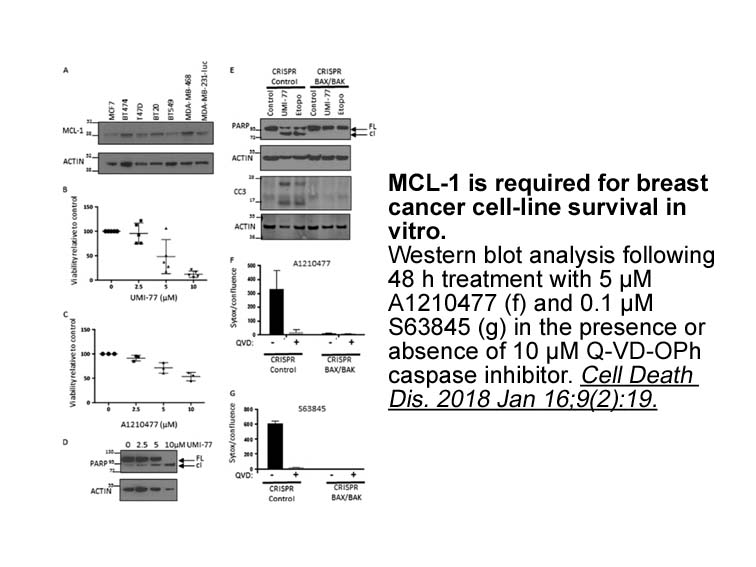
In general, cellular senescence is considered a programmed response to stress that can be activated by oxidative stress, irradiation or action of substances or drugs. These stressors cause DNA damage and, through the action of specific proteins (p53 and p21), lead to cell senescence (di Fagagna, 200
-
br Conclusion br Conflict of interest br
2019-11-28
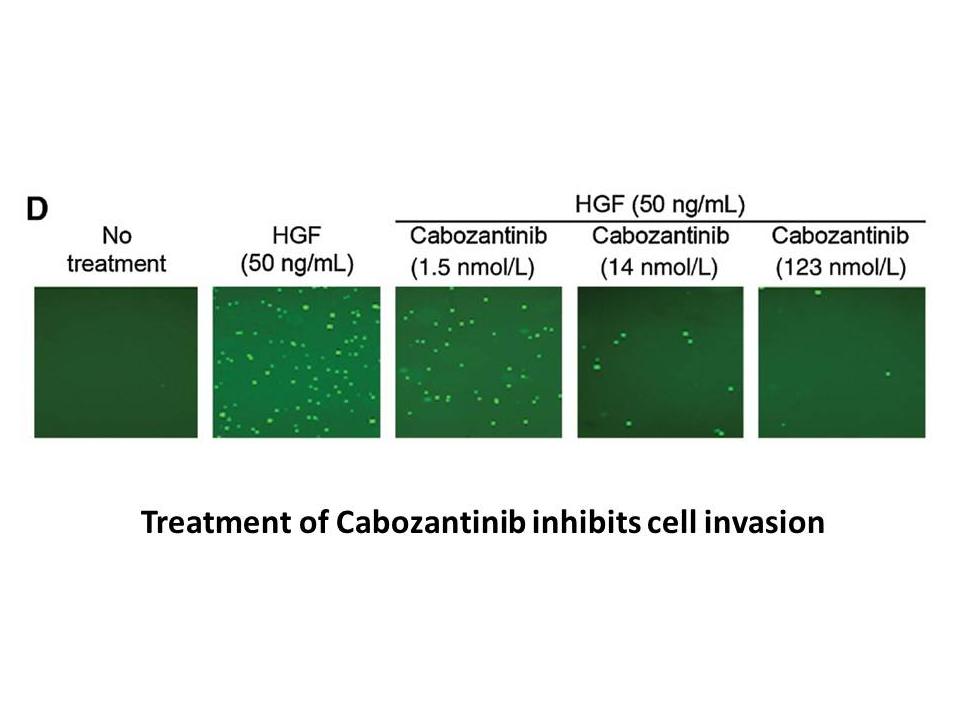
Conclusion Conflict of interest Acknowledgment The authors acknowledge the grant support of the Tehran University of Medical Sciences (94-02-49-29647). Introduction Earlier in vitro observations have also established that the human 5-HT2A, while very similar to the rat isoform, exhibits
-
DDR expression is upregulated in the glomeruli
2019-11-28
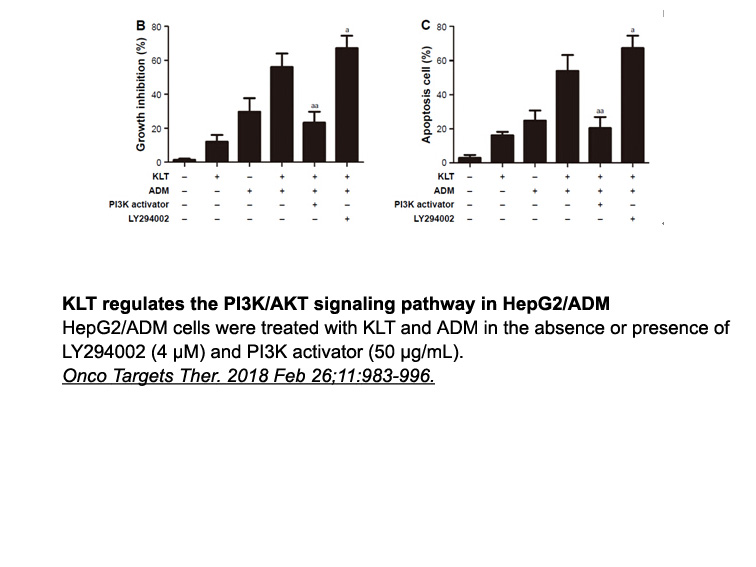
DDR1 expression is upregulated in the glomeruli and tubules of injured kidneys [7], [8], [19]; however, what role this receptor plays in kidney resident b-AP15 is unclear. A plausible hypothesis is that DDR1 might contribute to kidney injury by directly exerting a pro-fibrotic action. In favor to t
-
Introduction Eicosanoid lipid prostaglandin D PGD is the maj
2019-11-28
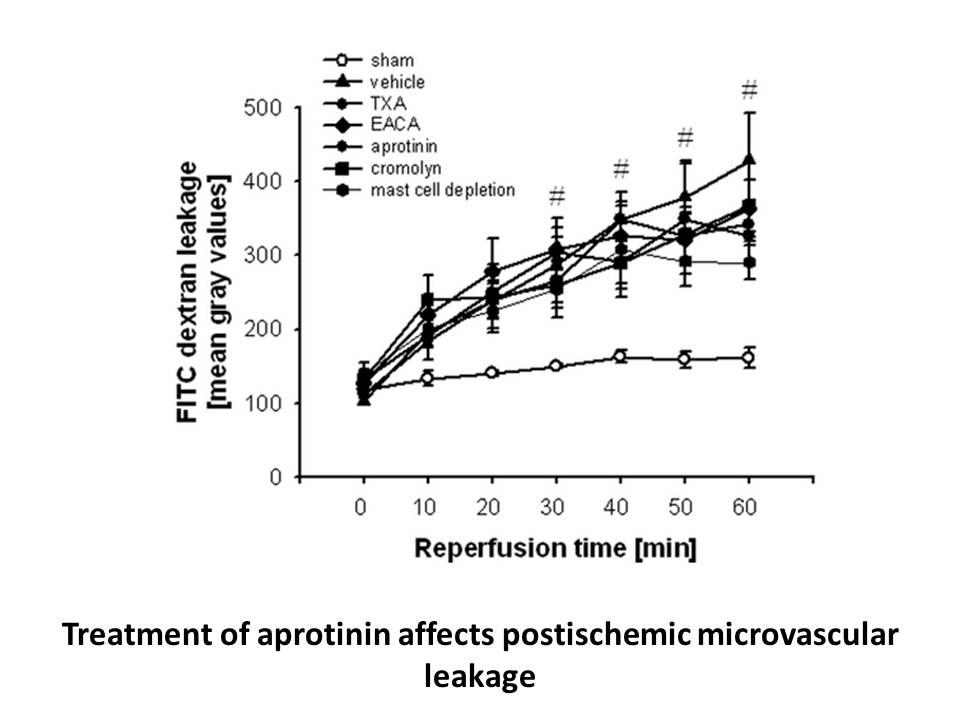
Introduction Eicosanoid lipid prostaglandin D2 (PGD2) is the major prostaglandin produced by activated mast Bafetinib (Lewis and Austen, 1981). The physiological function of PGD2 is mainly mediated by two G protein-coupled receptors (GPCRs), PGD2 receptor 1 and 2 (DP1 and DP2), which share modest
-
NU7441 Concerning firmness postharvest calcium dips for
2019-11-28
Concerning firmness, postharvest calcium dips for whole fruit have been demonstrated to preserve firmness, cell wall structure (Glenn and Poovaiah, 1990), nutritional quality (Goldberg, 1984) and fruit flavour (Ortiz et al., 2009). Similarly, combinations of calcium treatment (0.5–4%) with packaging
-
br Materials and methods br
2019-11-27
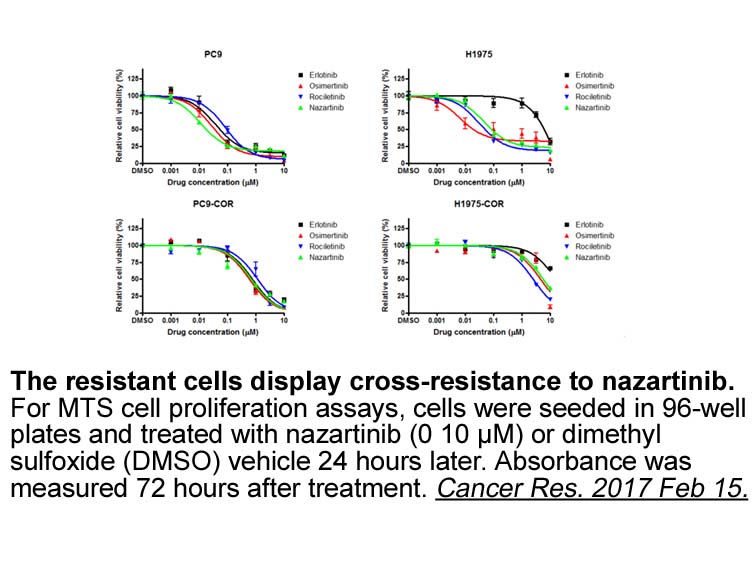
Materials and methods Results and discussion Conclusions Clitocypin is another member of the mycocypin family of cysteine protease inhibitors that is unique to Z-VEID-FMK shown to exhibit strong insecticidal activity against Colorado potato beetle larvae. This effect is concentration depen
-
Recent studies have reported that
2019-11-27
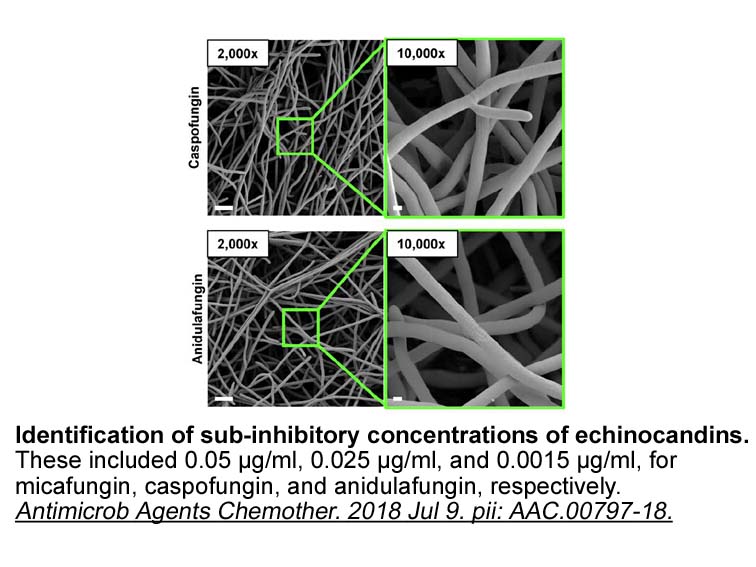
Recent studies have reported that miR-454 plays an important role in various cellular processes and diseases, such as inflammation, infection, osteogenic differentiation, and cancers [25,27,29,30]. Multiple evidence has documented that miR-454 promotes the proliferation, migration and invasion, and
-
Enzyme mimics belong to a type of rising catalysts
2019-11-27
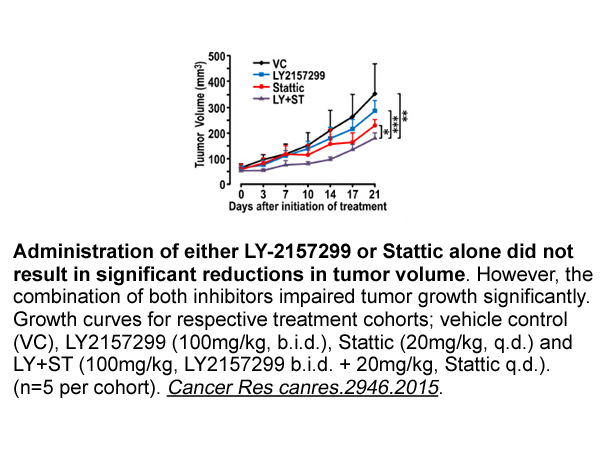
Enzyme mimics belong to a type of rising catalysts which show the similar function with their corresponding natural enzymes [20], [21], [22], [23], [24], [25], [26], [27], although their structures are different from natural enzymes. In the area of prodrug activation, the widely-used enzyme mimics a
-
Introduction Obesity constitutes a global healthcare problem
2019-11-27
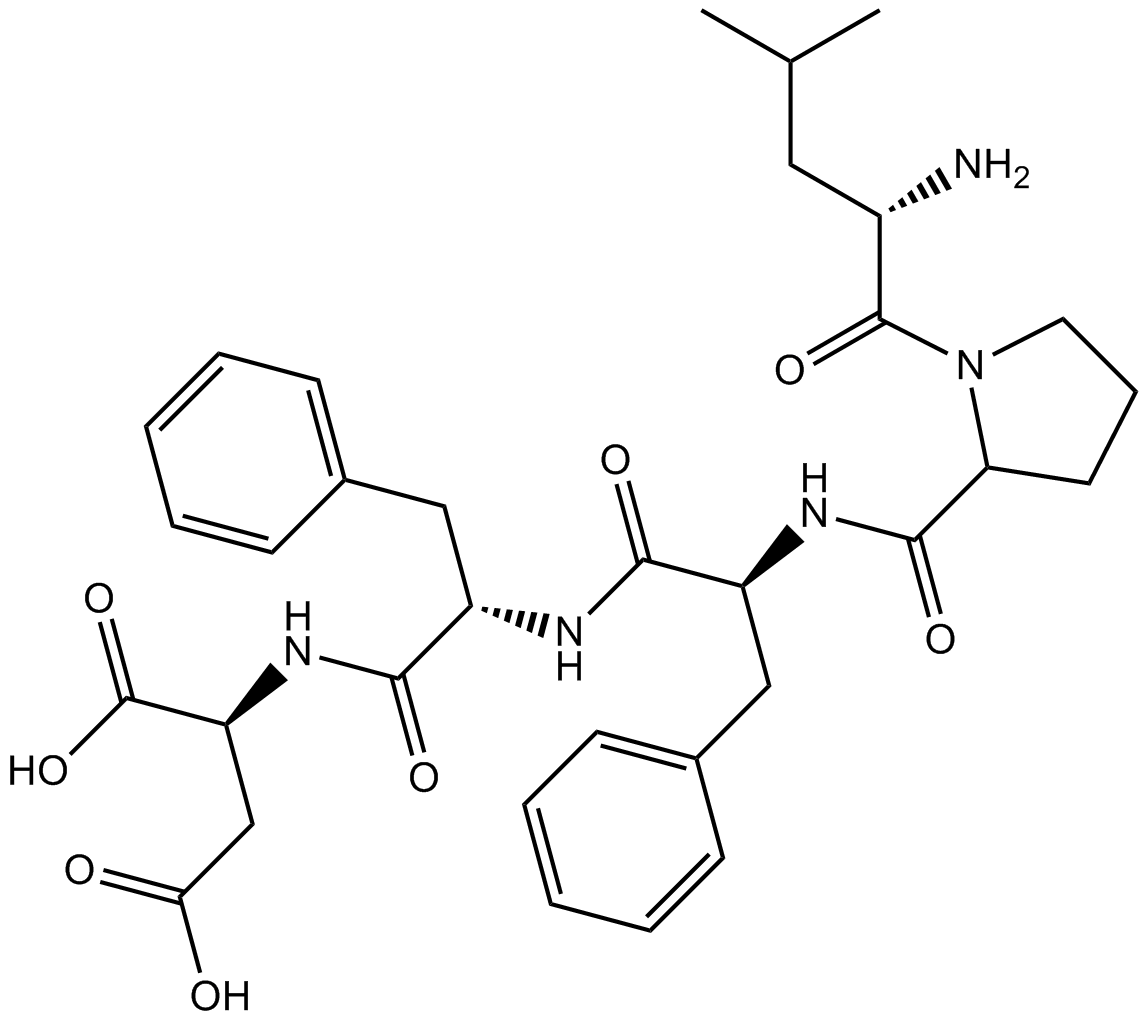
Introduction Obesity constitutes a global healthcare problem and has many adverse effects on the cardiovascular function [1,2]. Recently, the perivascular adipose tissue (PVAT) has emerged as a relevant fat depot for cardiovascular risk and as a potential trigger in vascular dysfunction. Indeed, PV
-
The hepatic cytochrome P CYP superfamily is essential for
2019-11-27
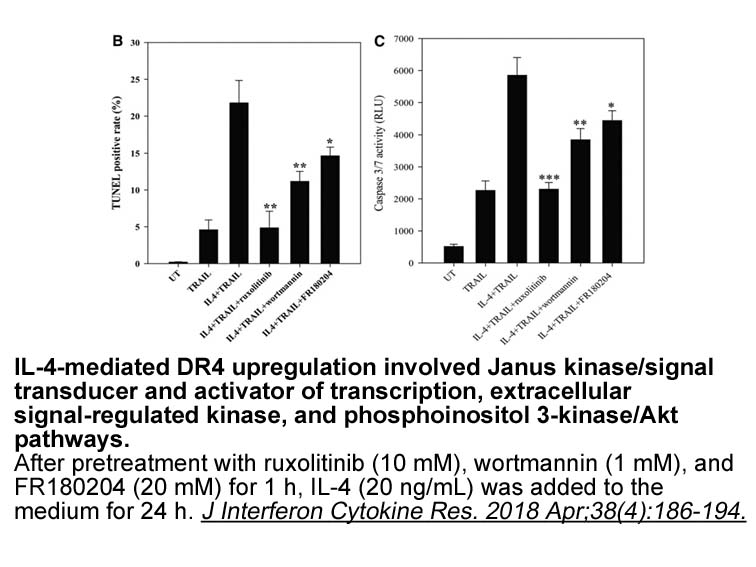
The hepatic cytochrome P450 (CYP450) superfamily is essential for metabolising foreign chemicals, fatty acids, vitamins, hormones and other compounds and consists of 18 subfamilies (Uno et al., 2012). The number of discovered CYP genes is increasing as a result of intense work with CYP450 gene struc
16391 records 971/1093 page Previous Next First page 上5页 971972973974975 下5页 Last page